Houses of Old Duke Forest
Submitted by gary on Wed, 08/24/2011 - 8:10amAt what is now the intersection of Anderson Street and Duke University Road, Rigsbee Road continued westward along a path cutting diagonally across the current Duke University West Campus, intersecting with 751 at the current cross country trail. The TJ Rigsbee (Sr.) farmhouse and barn stood near the Duke football stadium on the present-day campus.
TJ Rigsbee had three wives, and only the third was still living when Murray Jones came calling as an agent of James B. Duke in 1924. I've written previously about the failed attempt to buy land between Trinity College and Watts Hospital to build Duke University, and William Preston Few's familiarity with the Rigsbee land.
Jones paid $200,771 for 399.68 acres of land from the TJ Rigsbee estate. Rigsbee's estate made up the bulk of the original West Campus, but it was hardly the only land purchased by the Dukes for the university; Jones' many transactions stretch throughout 1925, and the original Duke University plat makes clear the number of parcels combined. I've overlaid this plat on Google Earth imagery - you can see the course of Rigsbee Road on this map.
Duke University plat, February 1925.
I wish the picture below was higher resolution. The 1929 photo shows the new west campus under construction in 1929 to the left. Rigsbee Road ~bisects the picture, and you can see the new course of Duke University Road snaking into the right foreground. The stadium area is evident near Rigsbee Road. This natural ravine was where the Rigsbee family kept their pigs. Although not sharp enough to be distinguishable, the buildings and roads of the old farmstead are visible just past the stadium.

1929 aerial, looking northeast.
THOMAS J RIGSBEE FARM / DUKE UNIVERSITY WEST CAMPUS
Large farmland of the TJ Rigsbee family was bought by James B. Duke / Trinity College for the construction of Duke University
Although Jesse / TJ Rigsbee's holdings formed the largest part of Duke's acquisitions for West Campus, they were by no means the only ones. Jones continued to acquire land - far in excess of what was necessary for the initial program of the campus, simply because the land was so cheap, Buck Duke's money was plentiful, and it was better to err on the side of too much land than too little. As a result, even after the construction of West Campus, there were hundreds of acres left as farmland or second generation forest. Much of this area was sparsely settled farmland, punctuated by rural housing at regular intervals.
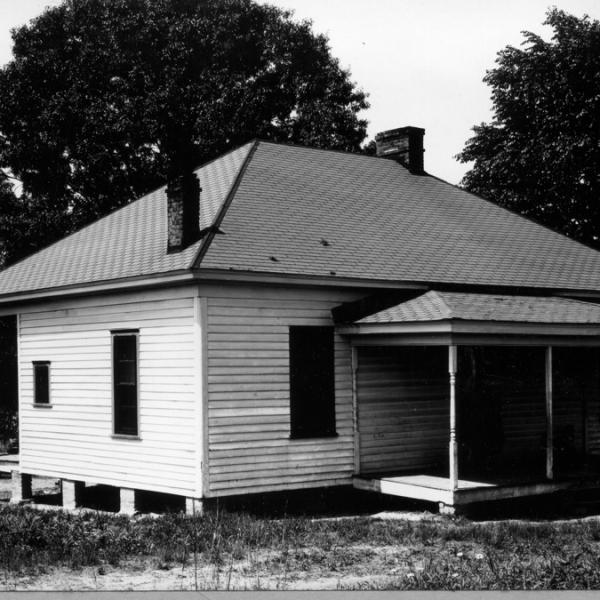
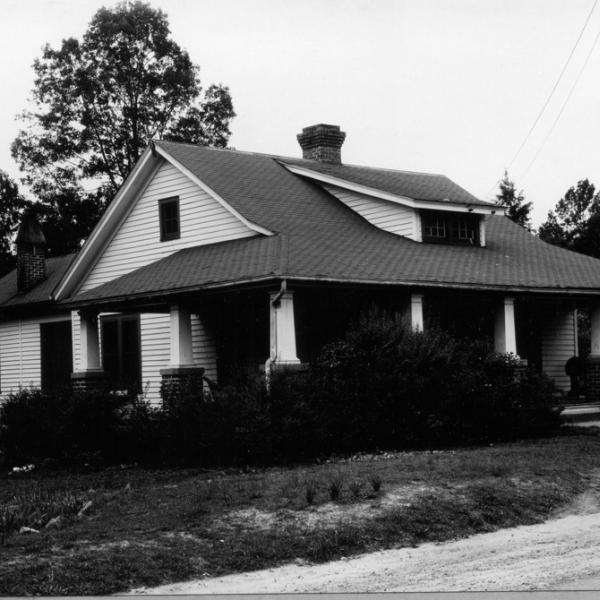
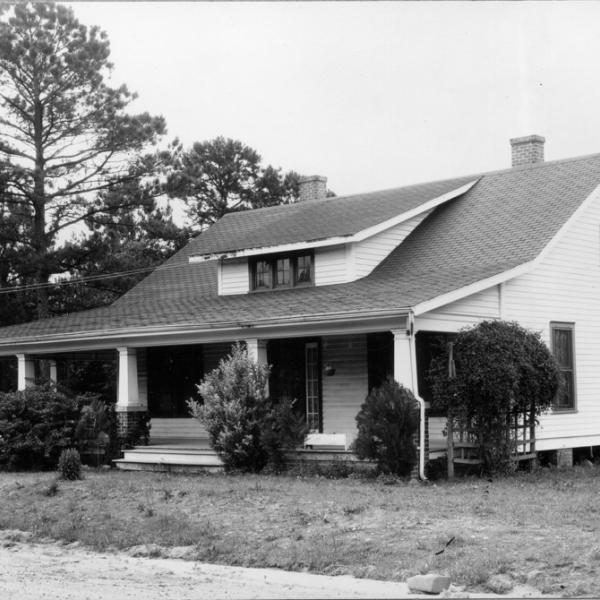
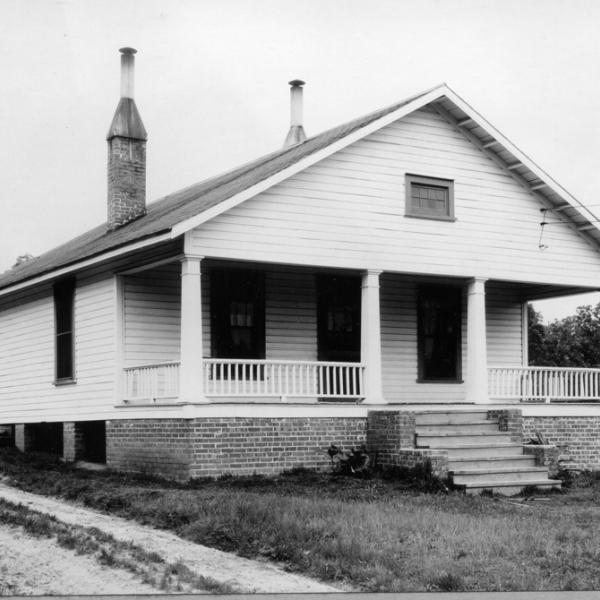
Although the medical center, athletic facilities, and the Washington Duke Hotel have expanded into some of this territory, and development of 15-501 and along 751 have changed some portions considerably, much of it is used by Duke Forest, the managed forest of Duke University, giving it a still-rural character and a relatively 'undisturbed' appearance due to large scale ownership by Duke. Much of the housing in the area is now gone, although a few specimens survive.

Rigsbee Road, looking southwest from 751 (Courtesy Library of Congress)
Some of the original housing pattern is still evident along Old Erwin Road, infilled with 1950s and later housing, churches, etc., and increasingly, large subdivisions with the single entry point off of Old Erwin. Vestiges remain though - Rigsbee Road (this section later referred to as "Old Rigsbee") led from 751, intersected with Forest Road, and continued on to Erwin (now 'Old Erwin') although it appears that this was at times referred to as Rigsbee. Erwin continued on a more direct path from 'Old Erwin' to the wide Erwin Road that connects 9th street with 751. the new Erwin Road path was constructed in 1949 with the expansion of Duke Medical Center - particularly the Nurse's Dormitory and the VA Hospital
The orange is the path of Rigsbee from 751 to its intersection with the former Forest Road, highlighted in pink. The former continuation of Rigsbee is now called "Lemur Lane", as is the former Forest Road leading south to Cornwallis. Part of the former path of Erwin Road is shown in blue.
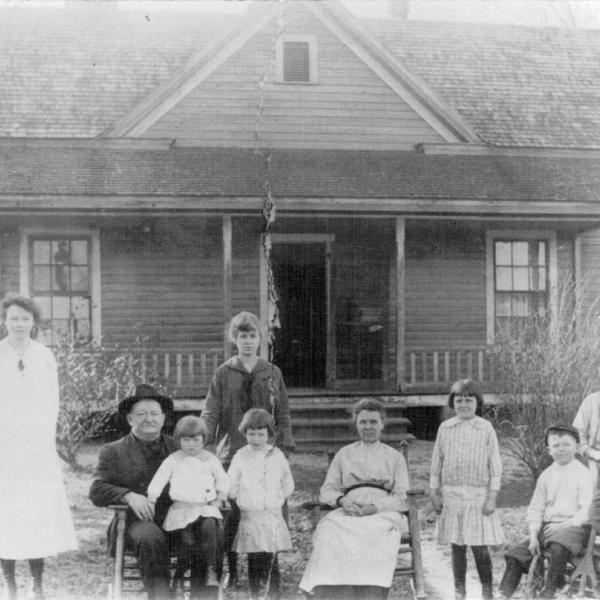
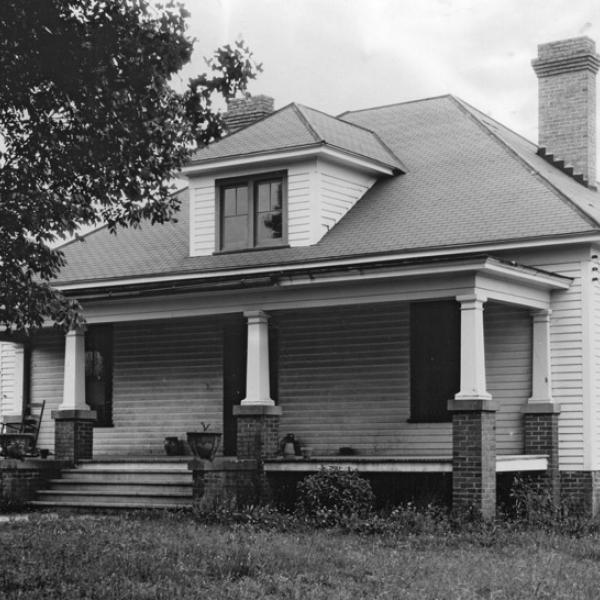
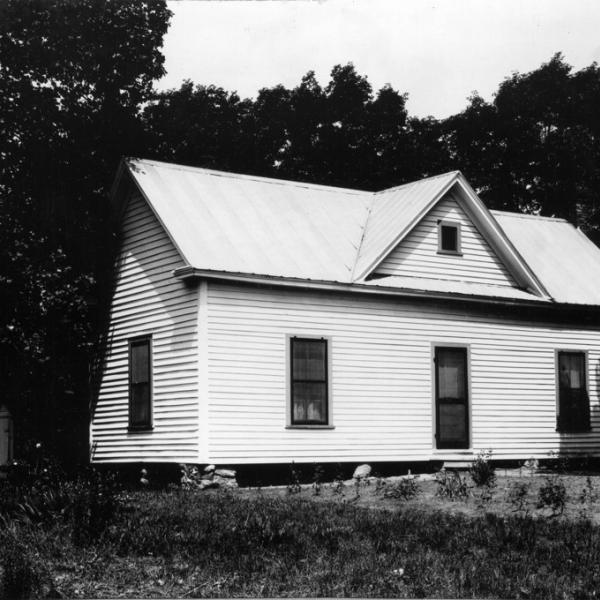
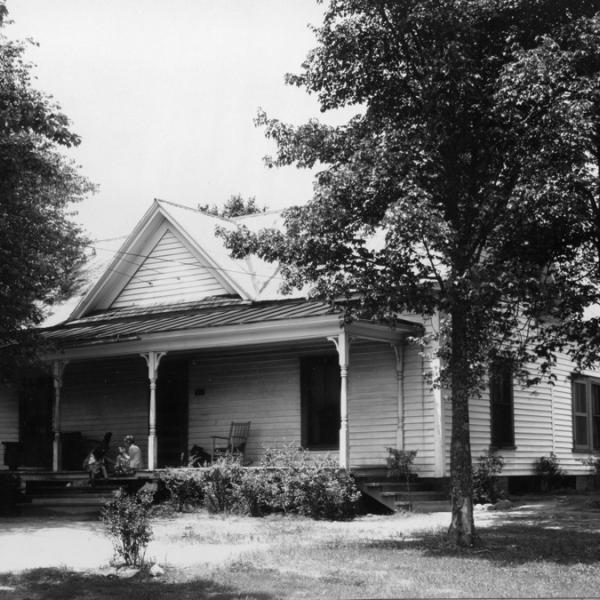
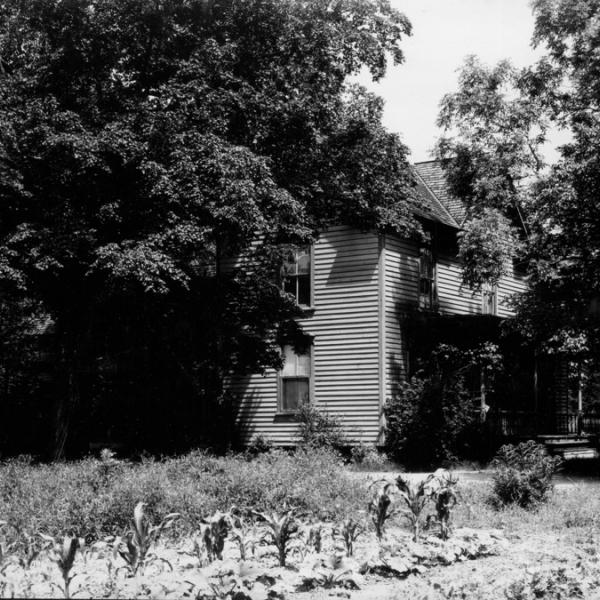
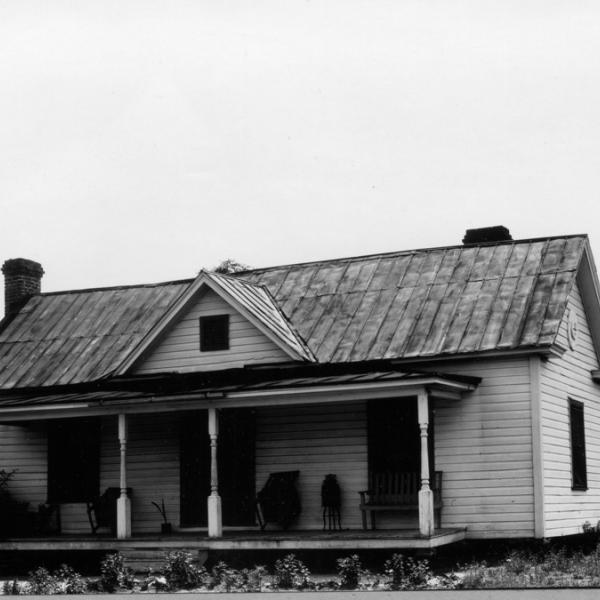
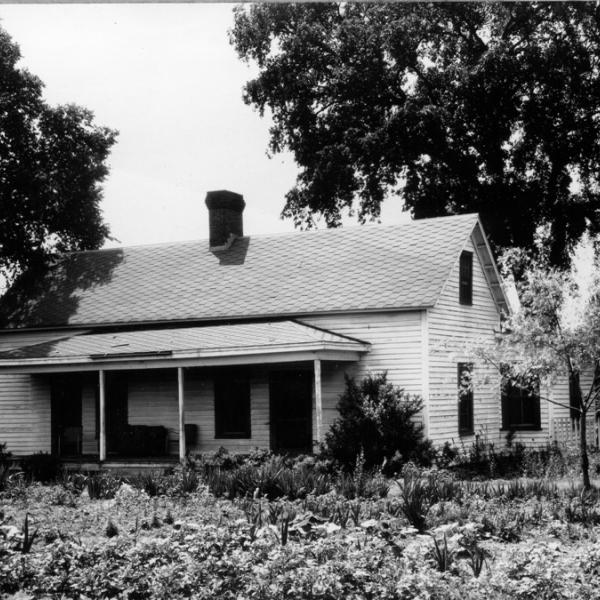
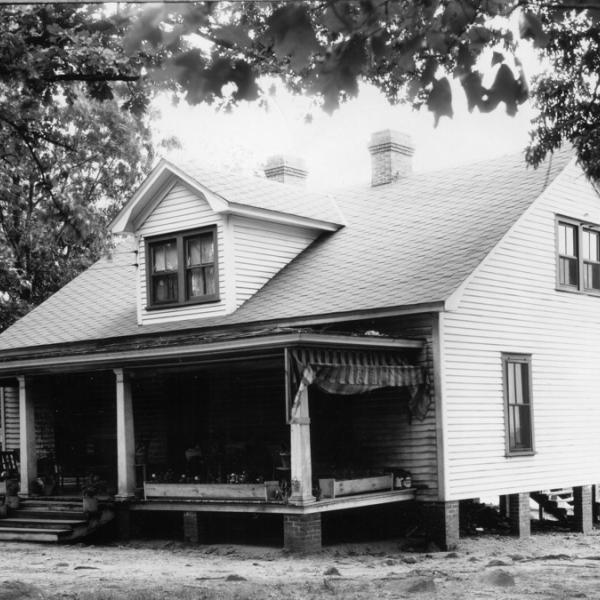
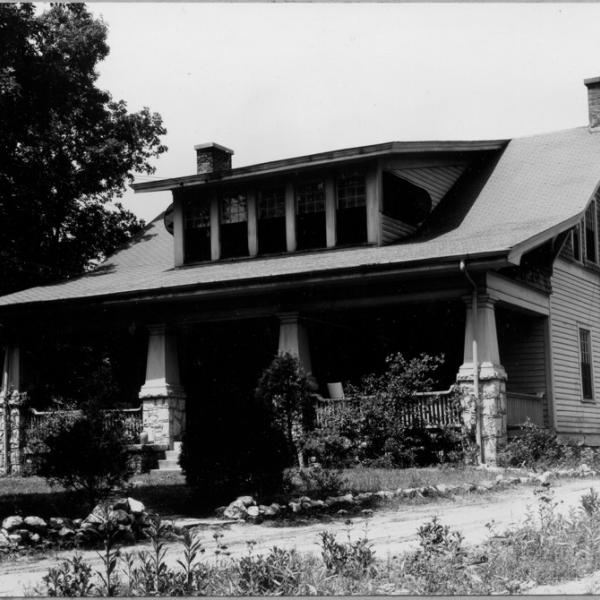
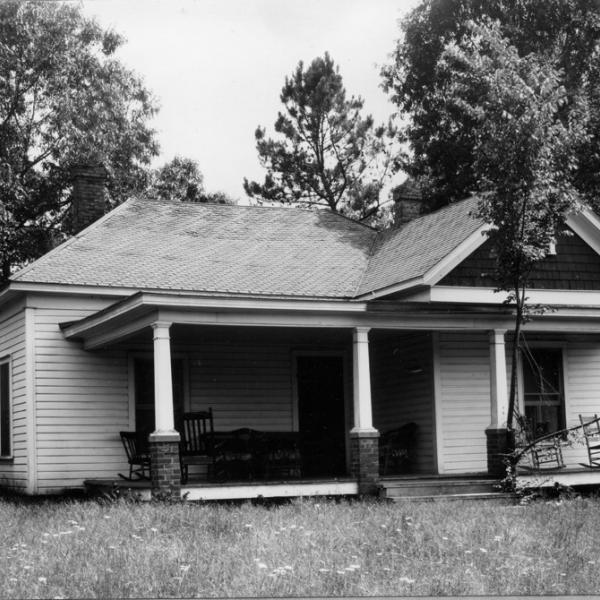
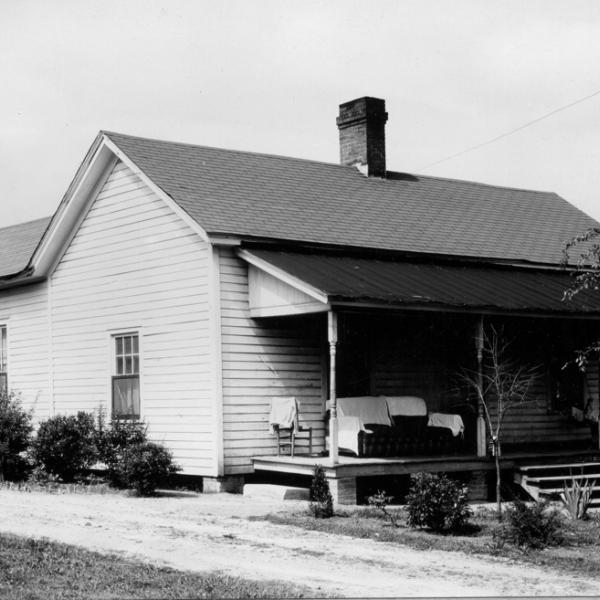
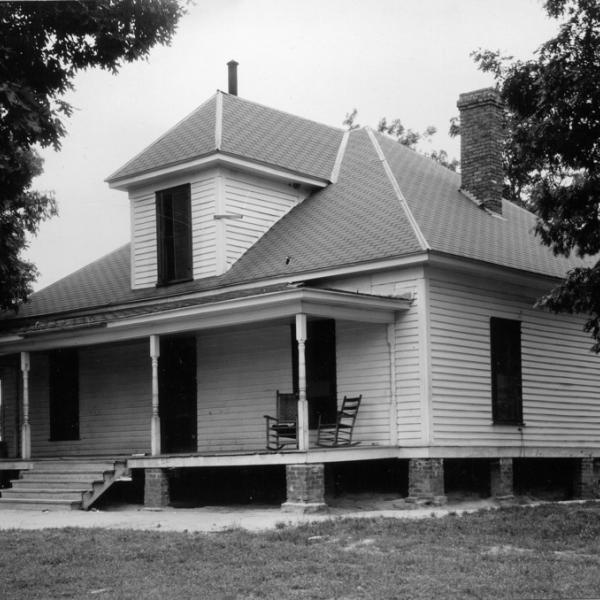
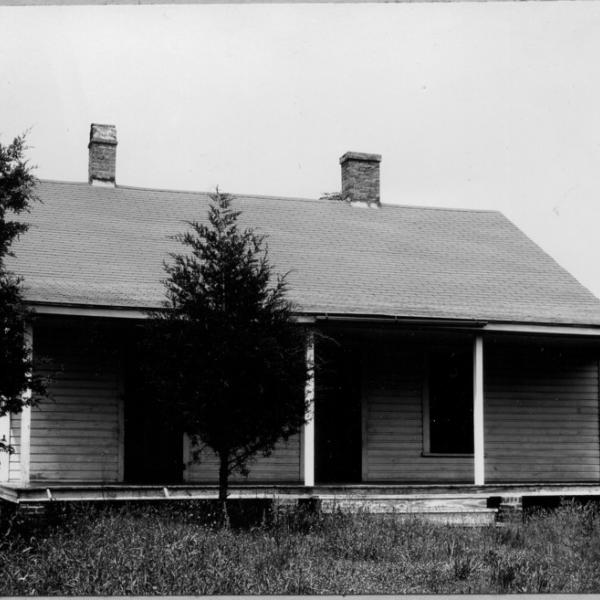
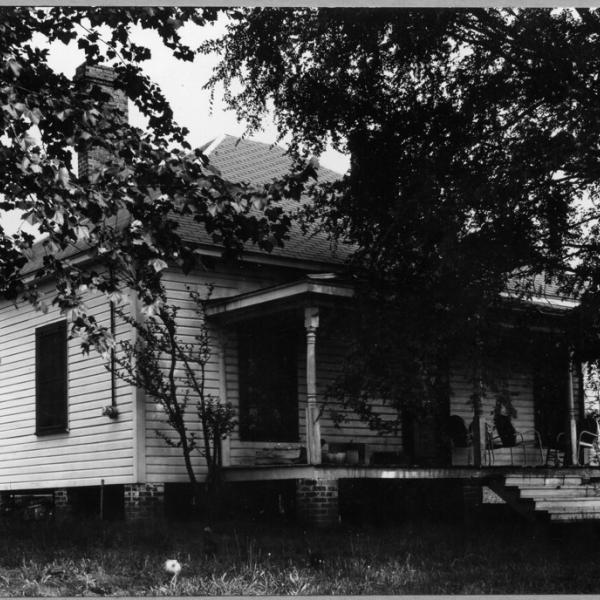
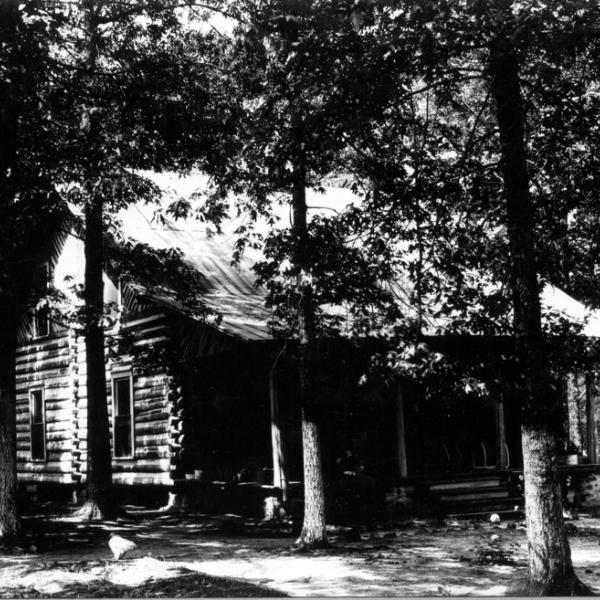
After the 15-501 bypass was built in the 1950s, Rigsbee Road was severed. Extensively catalogued by Duke Forest management in the 1930s, many of the houses along Rigsbee and Forest were lost - I don't know whether there was a program of demolition after Duke acquired the land. Most of the houses in this area are below, from the Duke Forest Collection
THOMAS E. RIGSBEE (JUNIOR?) HOUSE - RIGSBEE ROAD AT FOREST ROAD
MAL TURNER HOUSE
"First house along eastern spur of Forest Road b/t old Rigsbee and Cornwallis," June 1940
CLAYTON PLACE
"On US 70, near main gate to Quarry" - June 1940
JH SHEPHERD PLACE #2
"In NE corner at intersection of Rigsbee and Cornwallis Rd. First house from Cornwallis" - June 1940
JH SHEPHERD PLACE #1
"Along Rigsbee Rd b/t Mud Creek and Cornwallis. Second house from Cornwallis", June 1940
MANN HOUSE
"2820 Chapel Hill Rd., about 100 yards west of Chapel Hill Road."
OVERBY HOUSE
"Second House along Forest Rd opposite Duke baseball field, in arboretum area." June, 1940
ELMER BURROUGHS HOUSE
"About 100 yds south of old Rigsbee Rd just west of its intersection with 751" - June 1940
JQ DAVIS PLACE
"First House along Forest Rd opposite Duke baseball field. In arboretum area." - June 1940
BELLEVUE HOUSE
"On Forest Rd about 100 yards west of Erwin Road" - June 1940
BUD SMITH CABIN
"On Forest Road b/t Rigsbee and Cornwallis" - June 1940
(Marked location unverified.)


Add new comment